Breed Information
Everything to Know About the Wire Haired Dachshund
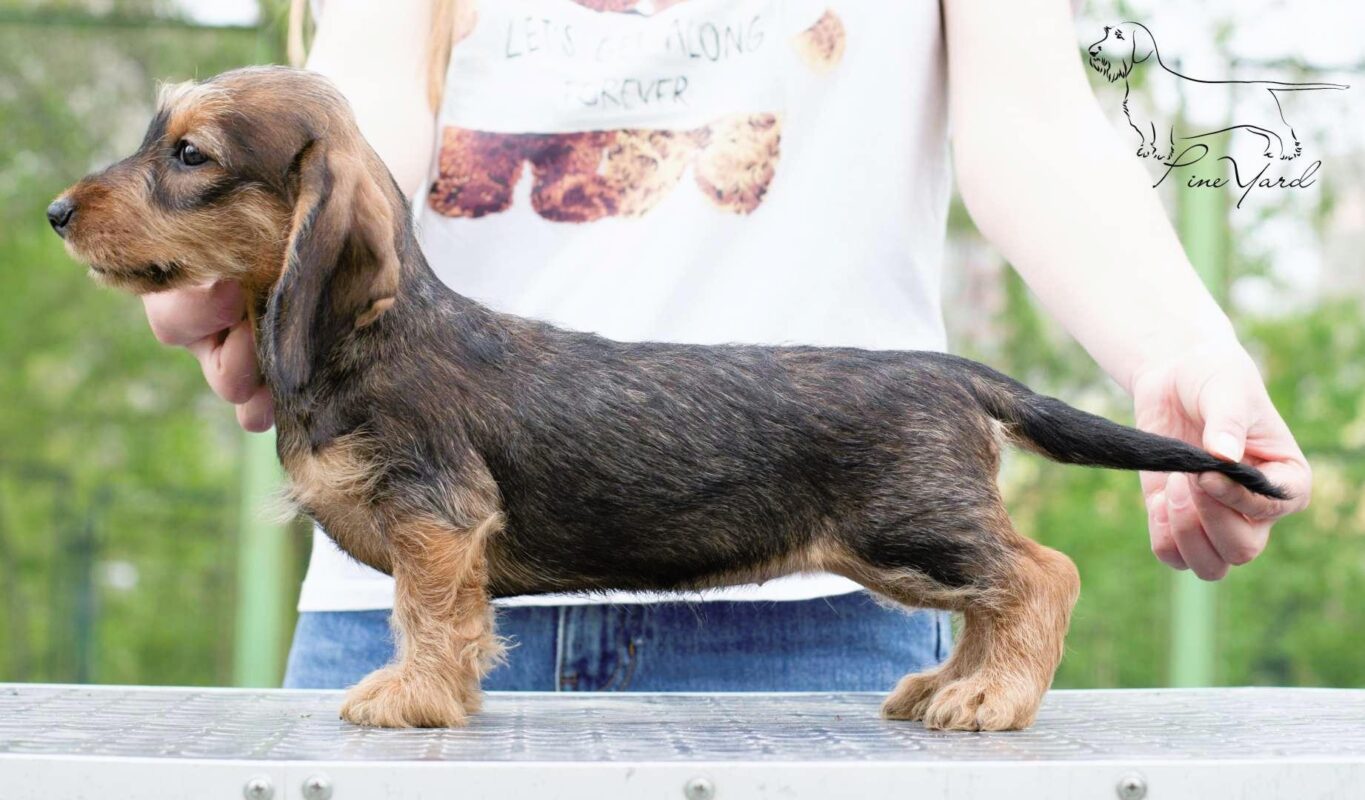
One of the most distinctive members of the Dachshund family, recognized by its textured coat, expressive eyebrows, and charming beard.
Origin and History
The Dachshund was developed in Germany as a determined, low-slung hunting dog. The wire haired variety was created by blending the original smooth Dachshund with terrier-type dogs, producing a harsh, weather-resistant coat suited to dense cover and rough terrain. That heritage explains the breed’s confidence, tenacity, and endless curiosity.
Size Varieties
- Standard Wire Haired Dachshund: typically 16 to 32 pounds and 8 to 9 inches at the shoulder.
- Miniature Wire Haired Dachshund: typically 11 pounds and under, around 5 to 6 inches at the shoulder.
- Mini Wire Haired Dachshund (in-between sizes): many puppies mature between 12 and 15 pounds, often called tweenies.
The Wire Coat
The wire coat is short, harsh, and dense with a softer undercoat, finished by the signature eyebrows and beard. It is weather resistant, low shedding compared to many breeds, and requires periodic hand-stripping or clipping to keep its texture. Common colors include wild boar, red, wheaten, black and tan, chocolate and tan, and cream.
Coat Patterns
- Dapple: a mottled pattern of lighter patches over a base color.
- Brindle: dark striping over a lighter base.
- Sable: hairs banded with darker tips, common in wire coats.
- Piebald: white base with defined colored patches.
Life Expectancy and Activity
Wire Haired Dachshunds commonly live 12 to 16 years. They need daily walks and mental stimulation, but they adapt well to apartments, suburban homes, and rural properties alike. Because of their long backs, jumping from furniture and rough stair use should be managed carefully throughout life.
Is This Breed Right for You?
The Wire Haired Dachshund suits owners who enjoy a clever, opinionated, comedic dog with real personality. They thrive on companionship, respond well to positive training, and make alert little watchdogs. They are less suited to households that want a quiet, low-engagement pet or that cannot manage back-friendly routines.